
How to Find a Hidden Water Leak Before It Wrecks Your Home
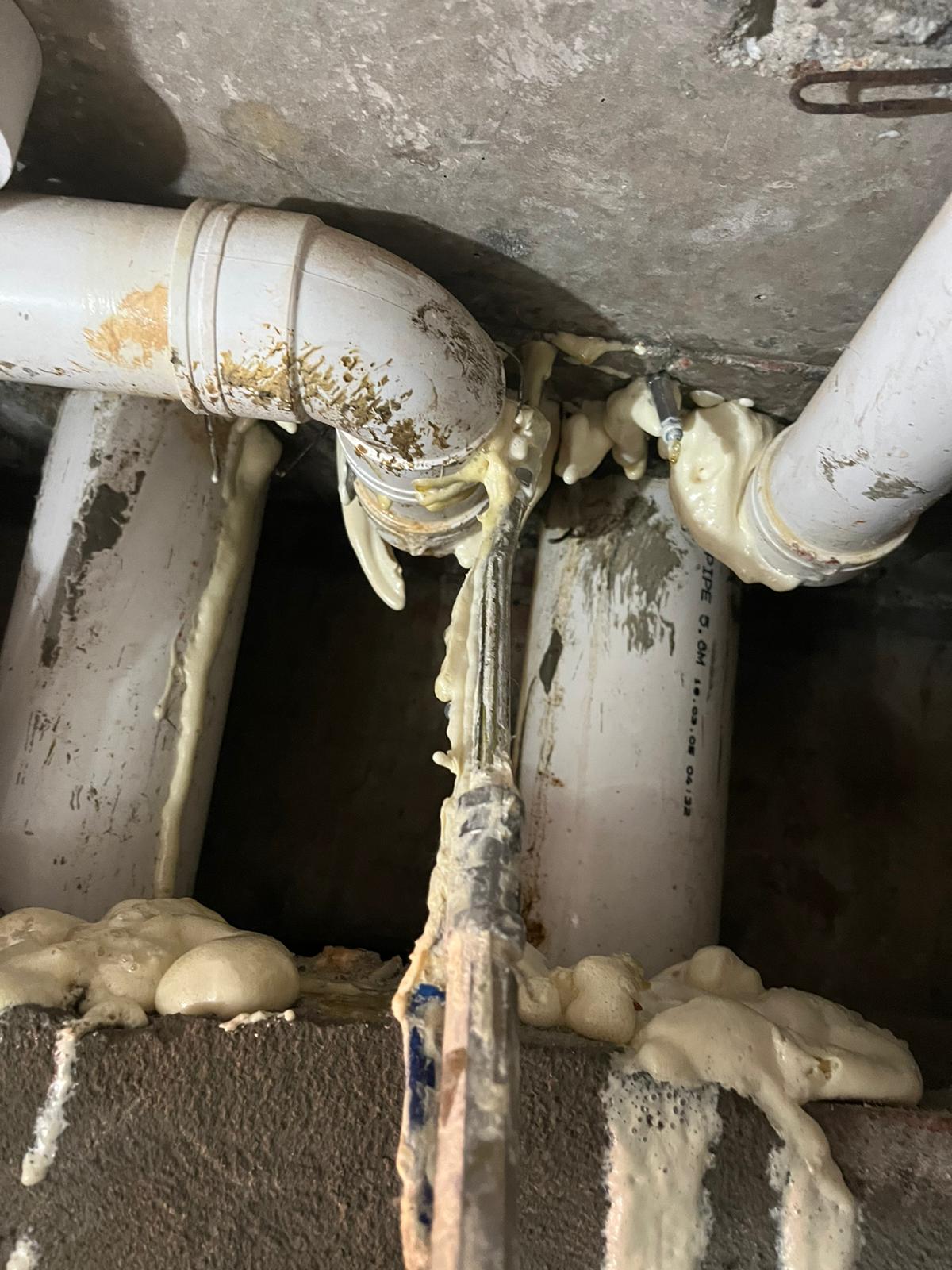
Not every leak announces itself with a puddle. Concealed leaks behind walls and under floors can run for months, quietly raising your water bill and feeding mould before you notice a thing. Catching them early saves both money and your finishes.
Early warning signs
- A water bill that climbs with no change in usage.
- The sound of running water when every tap is off.
- Damp or warm patches on floors and walls.
- Mould that keeps returning in the same spot after cleaning.
- Paint blistering along one particular wall.
How professionals locate it
The key is to find the source before opening anything up. Thermal imaging reveals temperature differences from escaping water, moisture meters map how far the damp has spread, and pressure testing confirms whether the plumbing is losing water. Together these narrow the leak to a precise spot.
Non-destructive detection means we open up the exact location of the leak — not a wall of exploratory holes.
If you suspect a hidden leak, act early. The longer water tracks through a structure, the more it damages — and the bigger the eventual repair.
All guidesKeep reading
Why Your HDB Bathroom Leaks to the Room Below — and How to Fix It Properly
Damp ceilings and bubbling paint below a bathroom almost always trace back to one of four failures. Here is how to tell them apart.
Property & MCSTCeiling Leak in a Condo: Who Is Responsible and What to Do First
When water comes through your condo ceiling from the unit above, who pays? Here is how inter-floor leak responsibility generally works in Singapore.