PU Grouting Explained: Sealing Concrete Cracks Without Tearing Up Your Floor
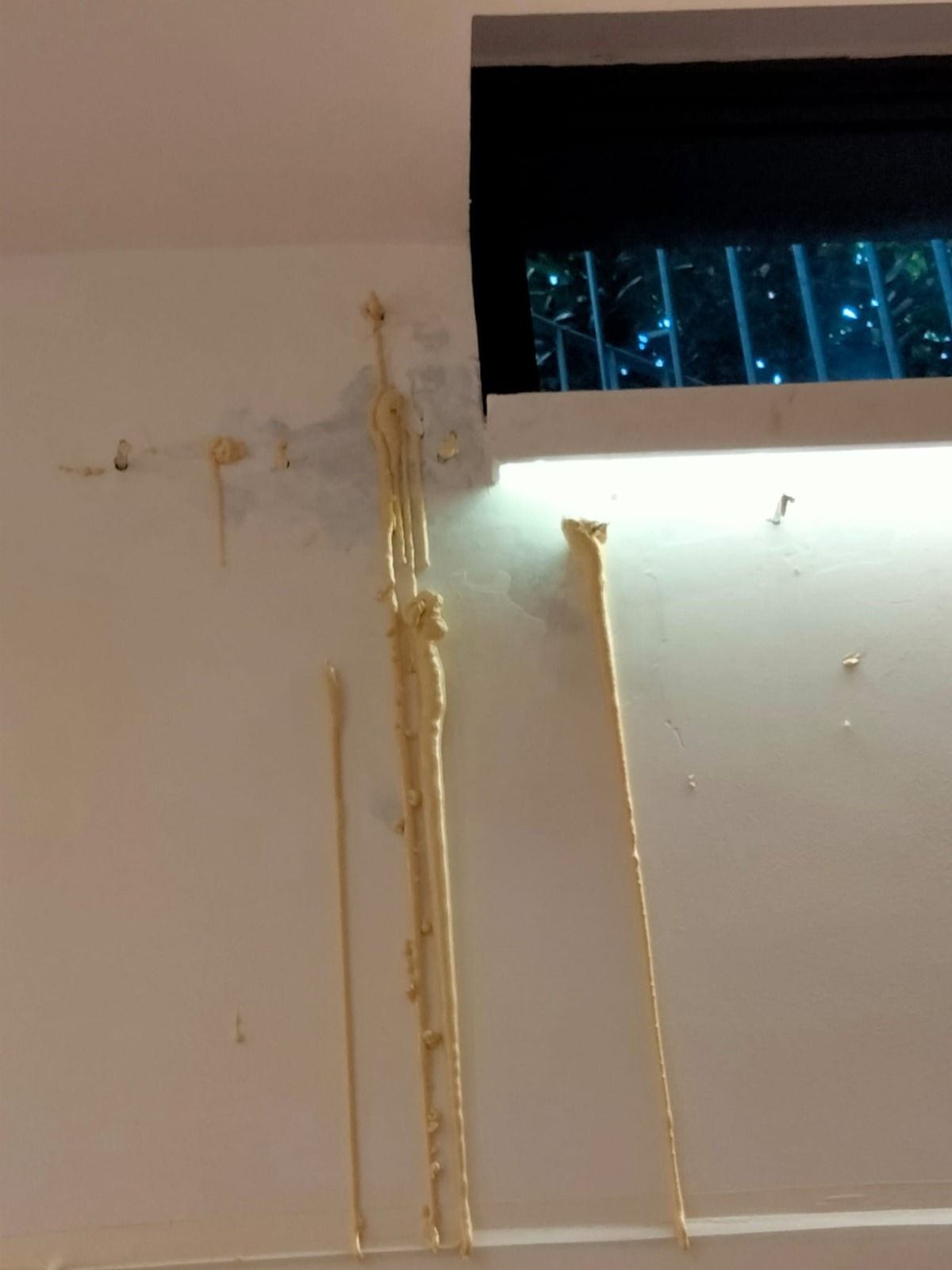
When water seeps through a crack in concrete — a basement wall, a planter, an inter-floor slab — you do not always need to demolish around it. PU grouting seals the crack from the inside, and it has become a go-to method for exactly this reason.
How it works, step by step
- Small injection ports are drilled along the line of the crack.
- Polyurethane resin is pumped in under pressure.
- On contact with moisture the resin foams and expands.
- It cures into a flexible, watertight seal filling the full depth of the crack.
Because the work is confined to small ports along the crack, surrounding tiles and finishes generally stay intact — ideal for occupied homes and operating buildings.
When PU grouting is the right tool
Injection excels at active, pressurised leaks through a defined crack — basement seepage, leaking construction joints, slab cracks tracking water between floors. It is less suited to a fully failed surface membrane, where re-waterproofing the area is the real answer.
If you have a live crack leak, injection is often the fastest, least-disruptive fix. We will confirm whether it suits your situation during a free assessment.
All guidesKeep reading
Why Your HDB Bathroom Leaks to the Room Below — and How to Fix It Properly
Damp ceilings and bubbling paint below a bathroom almost always trace back to one of four failures. Here is how to tell them apart.
Property & MCSTCeiling Leak in a Condo: Who Is Responsible and What to Do First
When water comes through your condo ceiling from the unit above, who pays? Here is how inter-floor leak responsibility generally works in Singapore.