Water Bill Suddenly High? The 10-Minute Meter Test That Finds Hidden Leaks
A bill that jumps for no obvious reason is one of the few leak symptoms that arrives with a number attached. It is also one of the easiest to test. Before you call anyone, you can establish in about ten minutes whether water is physically escaping from your plumbing.
The meter test, step by step
- 1
Turn everything off
Close every tap, and stop every appliance that uses water — washing machine, dishwasher, water heater fill, garden tap, bidet spray.
- 2
Read the meter
Note the reading, including the small dial or the least significant digits. That fine dial is what detects a slow leak.
- 3
Wait at least ten minutes
Do not use any water during this period. PUB suggests monitoring the meter for a minimum of ten minutes.
- 4
Read it again
If the counter has moved — or the dial is still turning while nothing is running — water is escaping somewhere on your side of the meter.
A moving meter with everything shut off is close to conclusive. A still meter does not clear you, though: seepage through failed waterproofing does not register on a meter at all, because that water was already legitimately used.
Check the cistern separately
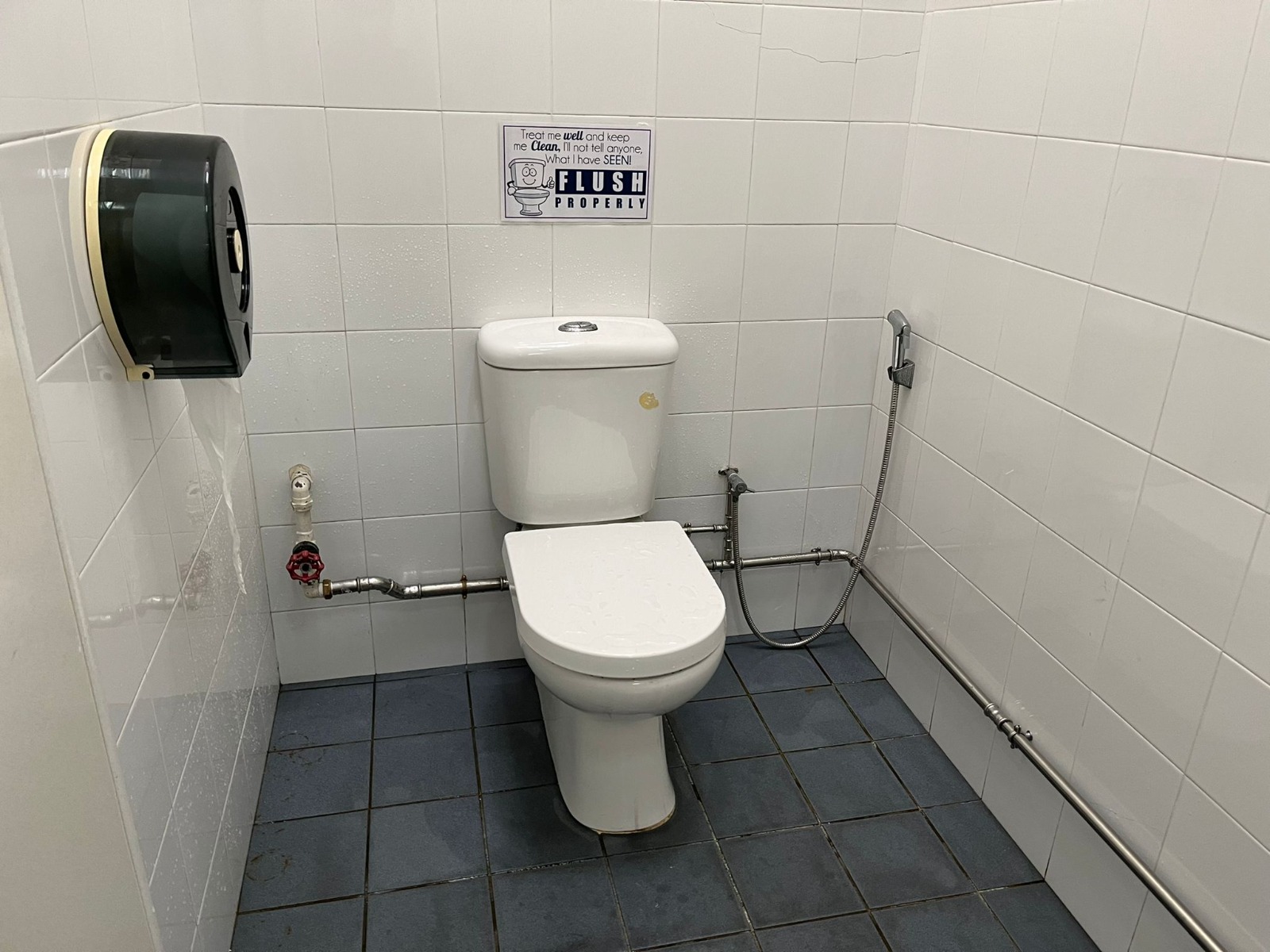
Silent toilet leaks are the classic invisible culprit. A worn flush valve can pass water continuously from cistern to pan with no sound and no visible movement, and a silent leak can waste more than ten litres an hour — enough to be very obvious on a bill.
To test one, put a few drops of food colouring or a leak detection tablet into the cistern, then leave it without flushing. If colour appears in the pan, the valve is passing. PUB includes leak detection tablets in its Water Saver Pack.
Other signs worth taking seriously
- The sound of running water or a steady drip at night, when nothing is in use
- Mould, discolouration or peeling paint on a wall, floor or ceiling
- A patch of floor or wall that is warm — a hot water line, or cold and damp for a cold one
- A persistent foul odour in an area with no other obvious source
- Unexplained damp appearing at a low level on a wall rather than a high one
Pipe leak or waterproofing failure? They are not the same job
This distinction decides who you should call, and it is the one most often got wrong.
Points to a plumbing leak
- The meter moves with everything turned off
- The damp is there regardless of whether anyone showers
- Water appears on a wall along a pipe run
- Pressure at a tap has dropped
- The bill jumped sharply in one cycle
Points to a waterproofing failure
- The meter is completely still
- The damp worsens after the bathroom is used and eases when it is not
- Staining sits below a wet area, planter or external wall
- It gets worse during heavy rain
- The bill has not changed at all
If the meter is still and the damp tracks usage or rainfall, you are looking at seepage through a surface rather than water escaping from a pipe — that is waterproofing work, and it is what our four-point inspection is designed to pin down.
Who to call for what
- Billing and meter-reading questions go to SP Services, PUB’s billing agent, which reads meters roughly every two months and investigates exceptionally high or low usage
- A suspected faulty meter is PUB’s to replace, not yours
- Repairs to pipes, taps and fittings inside the property are the owner’s responsibility — and should be done by a licensed plumber
- Seepage through slabs, walls, balconies or wet-area floors is a waterproofing job
If you are on a smart water meter, the MySmartWaterMeter portal shows near real-time usage and can send leak and high-usage alerts. Treat the dashboard figures as an estimate — they are not the numbers used for billing.
Frequently asked
How do I check for a water leak using my meter?
Turn off every tap and water-using appliance, note the meter reading including the fine dial, wait at least ten minutes without using any water, then read it again. If the reading has changed or the dial is still turning, water is escaping somewhere after the meter.
Can a leak raise my bill without any visible water?
Yes. A silent toilet leak can pass more than ten litres an hour straight into the pan with no sound and nothing visible. Drop food colouring or a leak detection tablet into the cistern and leave it unflushed — colour reaching the pan confirms it.
My water bill is normal but I still have a damp patch. Why?
Because seepage through failed waterproofing is not metered water escaping — it is water you already used finding its way through a surface that should have stopped it. That is why a normal bill and a still meter point towards waterproofing rather than plumbing.
Where this information comes from
All guidesKeep reading
How to Find a Hidden Water Leak
The signs that narrow down where water is coming from before anyone picks up a hammer.
Leak DiagnosisCondensation or a Leak? How to Tell Damp Apart in Singapore’s Humidity
Not every damp patch is a leak. How to separate condensation, a blocked aircon drain and real water ingress.